
Most Malta businesses treat web design and marketing as separate projects. They hire one team to build the site, another to run ads, and wonder why customers don't convert. The disconnect creates confusion, weakens trust, and wastes budget. Your website and marketing campaigns are not independent channels. They are two parts of one system that either aligns to build momentum or contradicts itself and stalls growth.
Why Web Design and Marketing Must Work as One System
When your Facebook ad promises premium quality but your website looks rushed, customers notice. When your Instagram showcases beautiful packaging but your product pages lack detail, trust breaks. Research on visual attention in web design shows that users assess credibility in seconds based on visual consistency and professionalism.
Web design sets the stage. Marketing drives traffic. Together, they shape perception, influence choice, and determine whether someone recommends you. Separate them, and you create friction. Align them, and you build a brand people remember and trust.
The Business Impact of Disconnected Design and Marketing
Here's what happens when web design and marketing operate in silos:
- Customers click an ad promising fast delivery but land on a slow, outdated website that contradicts the message
- Marketing highlights premium positioning while the site looks generic and lacks professional photography
- Campaigns target specific audiences, but the website speaks to everyone and resonates with no one
- Design teams optimize for aesthetics while marketing teams optimize for conversions, creating competing priorities
This misalignment affects every touchpoint in the customer journey. It weakens word of mouth because there's no clear, consistent story to repeat. It reduces conversion because trust never fully forms. It increases cost because marketing works harder to overcome a website that doesn't support the message.
How to Align Web Design and Marketing Around Trust
Start with your positioning. Before you design a single page or run a single campaign, define what makes your business distinct. What do you do better than competitors? What do customers value most? What story do you want them to repeat?
Use that positioning to guide both design and marketing decisions. Your website structure, visual style, messaging hierarchy, and user experience should all reinforce the same brand promise your marketing campaigns communicate.
The Framework: 7Ps Applied to Web Design and Marketing
The 7Ps of marketing provide a practical structure for aligning design and marketing:
| Element | Web Design Role | Marketing Role |
|---|---|---|
| Product | Showcase features, benefits, proof through clear layouts and visuals | Position product value in campaigns; drive traffic to product pages |
| Price | Display pricing transparently; build perceived value through design quality | Frame pricing in context of value; address objections before site visit |
| Place | Optimize for Malta local search; make contact and location clear | Target Malta audiences; use geo-specific messaging and platforms |
| Promotion | Design conversion paths; support campaign goals with landing pages | Drive traffic with consistent messaging across channels |
| People | Feature team, testimonials, and trust signals prominently | Humanize brand in ads; highlight customer stories and reviews |
| Process | Simplify user journeys; reduce friction in checkout and forms | Set clear expectations in ads; prepare customers for next steps |
| Physical Evidence | Use professional photography, case studies, credentials | Showcase real results and social proof in campaigns |
This framework ensures every design choice supports your marketing strategy and every marketing message is backed by a website experience that delivers on the promise.
Building Websites That Support Marketing Objectives
Your website is not a brochure. It's a conversion tool that must work with your marketing investment, not against it. Effective web design practices prioritize speed, clarity, mobile optimization, and clear calls to action.
Empixa's approach to Website Design integrates marketing objectives from the start, ensuring every page supports conversion goals, reflects your brand positioning, and provides the trust signals customers need to take action.
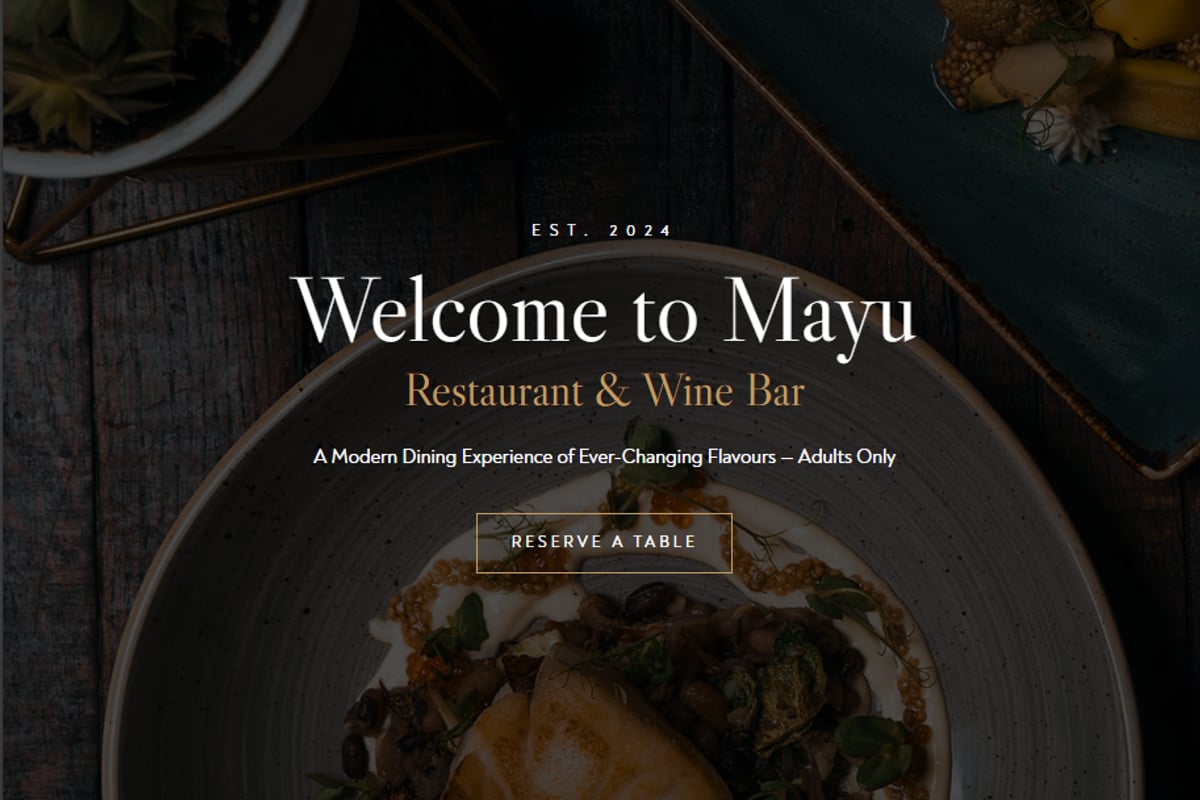
When building a site to support marketing campaigns, focus on these elements:
- Speed and performance – Every second of load time reduces conversion
- Clear value proposition – Visitors should understand what you offer within three seconds
- Mobile-first design – Most Malta traffic comes from mobile devices
- Conversion paths – Make it obvious what action to take next
- Trust signals – Include testimonials, certifications, guarantees, and contact information
Common web design standards emphasize accessibility, performance, and user trust as foundational to effective digital presence.
Creating Marketing Campaigns That Reflect Brand Quality
Your ads, social content, and email campaigns set expectations. If they promise something your website can't deliver, you lose the customer and waste the ad spend. Malta businesses often run promotions without ensuring their website can handle the traffic or provide the experience visitors expect.
Consistency builds trust. Use the same visual language, tone, and messaging across all channels. If your branding positions you as premium, your marketing creative should reflect that quality. If your website emphasizes local Malta expertise, your campaigns should too.
Practical Steps to Align Design and Marketing
- Audit current messaging – Compare website copy, ad copy, social posts, and email for consistency
- Define brand guidelines – Document voice, tone, visual style, and key messages
- Create campaign-specific landing pages – Don't send all traffic to your homepage
- Test user journeys – Click through your own ads and experience the full customer path
- Measure and refine – Track where visitors drop off and optimize those friction points
Understanding how to choose the right website builder and tools matters, but more important is ensuring your technology supports your marketing strategy and brand positioning.
The Malta Context: Local Competition and Customer Expectations
Malta's market is small but competitive. Customers have options, and they research before buying. Your website and marketing presence are often the first impression, sometimes the only impression before a purchase decision.
Local businesses that invest in consistent branding across Malta build stronger word of mouth. When your visual identity, website experience, and marketing messages align, customers find it easier to remember you, trust you, and recommend you.
Performance branding integrates brand-building with measurable marketing outcomes, ensuring every design and marketing investment contributes to both immediate conversions and long-term brand equity.
What Happens When Design and Marketing Align
When web design and marketing work together, the entire customer experience improves. Visitors arrive from an ad and find exactly what they expected. The messaging matches. The visuals reinforce the promise. The conversion path is clear. Trust builds naturally.
This alignment creates momentum. Satisfied customers tell others. Word of mouth grows. Acquisition costs decrease because your reputation does more of the work. You spend less convincing people and more serving customers who already trust you.
The 7Ps framework shows that every element of your business affects perception. Your website is physical evidence. Your marketing is promotion. Your customer service is people. Your brand is process. When all these elements align around a clear positioning, you create a business that customers choose, trust, and recommend.
Web design and marketing are not separate functions. They are interdependent systems that must align to build trust, drive conversions, and create word of mouth. Malta businesses that treat them as one integrated strategy see stronger results, lower acquisition costs, and more consistent growth. Empixa helps businesses align every element of their brand, from strategic positioning and website design to packaging and digital marketing, ensuring consistency across all touchpoints that customers notice, remember, and recommend.