
Businesses hire designers, marketers, and consultants all the time. But most get tactical fixes, not strategic solutions. A strategy agency doesn't just execute campaigns or design logos. It builds the underlying system that connects your positioning, messaging, customer experience, and growth plan into one coherent framework. Without this foundation, even the best marketing efforts feel disjointed and fail to build momentum.
What a Strategy Agency Actually Does
Most business owners think strategy means planning campaigns or choosing marketing channels. That's execution, not strategy.
A strategy agency starts by defining how your business competes, who it serves, and what makes it different. This includes market research, competitive analysis, brand positioning, and customer journey mapping. The output isn't just a document. It's a decision-making framework that guides every touchpoint, from website design to packaging to sales conversations.
The Core Deliverables
When you work with a strategy agency, expect these foundational elements:
- Market positioning framework that defines your competitive advantage
- Brand architecture that structures products, services, and messaging
- Customer journey maps that reveal friction points and opportunities
- Go-to-market plans that align sales, marketing, and operations
- Measurement systems that track what actually drives growth
The difference between a consultant and a strategy agency is integration. A consultant gives advice. An agency builds the system and helps implement it across your entire brand ecosystem.
The Deeper Business Problem
Here's what most businesses miss: inconsistency kills trust faster than poor quality. You can have a beautiful website, strong packaging, and talented salespeople. But if they tell different stories or create conflicting impressions, customers won't refer you. They won't remember you. They certainly won't pay premium prices.
This happens because businesses grow tactically. They hire a designer for the logo, a developer for the site, a freelancer for social media. Each piece works in isolation. The result is a brand that feels fragmented, confusing, and forgettable.
A strategy agency solves this by creating alignment. Every element reinforces the same positioning, speaks to the same audience, and builds toward the same business goals. That's how brands become memorable. That's how they earn referrals and command higher prices.
How This Connects to the 7Ps of Marketing
The 7Ps framework (Product, Price, Place, Promotion, People, Process, Physical Evidence) reveals why strategy matters more than tactics.
| Marketing P | Strategic Question | Tactical Mistake |
|---|---|---|
| Product | Does our offering match our positioning? | Adding features without purpose |
| Price | Does pricing reflect our value perception? | Competing on price alone |
| Place | Where do customers expect to find us? | Being everywhere instead of being strategic |
| Promotion | Does messaging reinforce positioning? | Saying different things on different channels |
| People | Do employees embody the brand promise? | Treating staff as separate from brand |
| Process | Does customer experience align with brand? | Ignoring service design |
| Physical Evidence | Do all touchpoints feel cohesive? | Random design choices across materials |
Most businesses handle each P separately. A strategy agency ensures they work together. When your pricing strategy contradicts your brand positioning, customers notice. When your retail presence doesn't match your website experience, trust erodes. Successful brand development requires this kind of systemic thinking.
Strategy and Word of Mouth in Malta's Market
Malta's business environment rewards consistency and relationships. The market is small enough that reputation spreads quickly, but competitive enough that positioning matters.
Word of mouth doesn't happen by accident. It requires a brand experience worth talking about. That means strategic decisions about:
- Which customer segment to prioritize so you become known for something specific
- What makes you different in a way customers can easily explain
- How every touchpoint reinforces the same core message
- Why customers should care beyond features and price
A strategy agency helps identify your referral triggers. These are the specific moments when customers become advocates. For a Maltese retail brand, it might be premium packaging that feels gift-worthy. For a B2B service company, it could be a structured onboarding process that exceeds expectations. According to research on strategy execution, alignment between corporate strategy and team responsibilities significantly improves outcomes.
Malta-Specific Strategic Considerations
Working in Malta requires understanding the local business landscape. Market size limits certain strategies but creates advantages for others.
Market Size and Positioning
You can't be all things to all people when your total addressable market is under 500,000 people. Narrow positioning works better here. Specialization builds authority faster than generalization.
Multi-Channel Presence
Maltese customers research online but value physical touchpoints. Your digital presence needs to reinforce what they experience in stores, offices, or at events. This is where strategic planning prevents mixed messages across channels.
Referral Networks
Professional and personal networks overlap in Malta. Your brand reputation travels faster here than in larger markets. Strategic consistency ensures that reputation is positive and predictable. Learn more about building these systems through word of mouth marketing.
Building Strategic Systems, Not Isolated Tactics
The shift from tactical execution to strategic systems requires different thinking. Instead of asking "What campaign should we run?" ask "What system do we need to support sustainable growth?"
Here's how strategy agencies approach common business challenges:
The Brand Launch Process
Most businesses launch with a logo and a website. A strategy agency builds a complete brand system before the first customer interaction.
- Define positioning and competitive differentiation
- Map the complete customer journey
- Design all touchpoints to reinforce core positioning
- Create implementation guidelines for consistency
- Set up measurement to track brand perception
This prevents the need for expensive rebrands later. It also creates a foundation that scales as the business grows.
The Growth Strategy Framework
Growth doesn't come from more activity. It comes from focused effort on high-impact opportunities. According to Forbes insights on agency quality, established processes and creative discipline drive better results than reactive tactics.
A strategy agency identifies where to focus:
- Which customer segments offer the highest lifetime value
- Which channels align with how those customers make decisions
- What messaging resonates based on actual customer language
- How to structure offerings for upsells and referrals
- Where operational changes will improve customer experience
This creates a roadmap, not just a marketing plan. Every department understands how their work contributes to the overall strategy.
Practical Implementation for Malta Businesses
Strategy without implementation is worthless. The best strategy agencies don't just deliver documents. They help you execute through structured rollout plans.
Phase 1: Foundation (Months 1-2)
Conduct market research, define positioning, create brand architecture, and map customer journeys. This includes competitive analysis specific to Malta's market dynamics.
Phase 2: System Design (Months 2-3)
Develop visual identity, messaging frameworks, and channel strategies. Create templates and guidelines for consistent execution across all materials.
Phase 3: Implementation (Months 3-6)
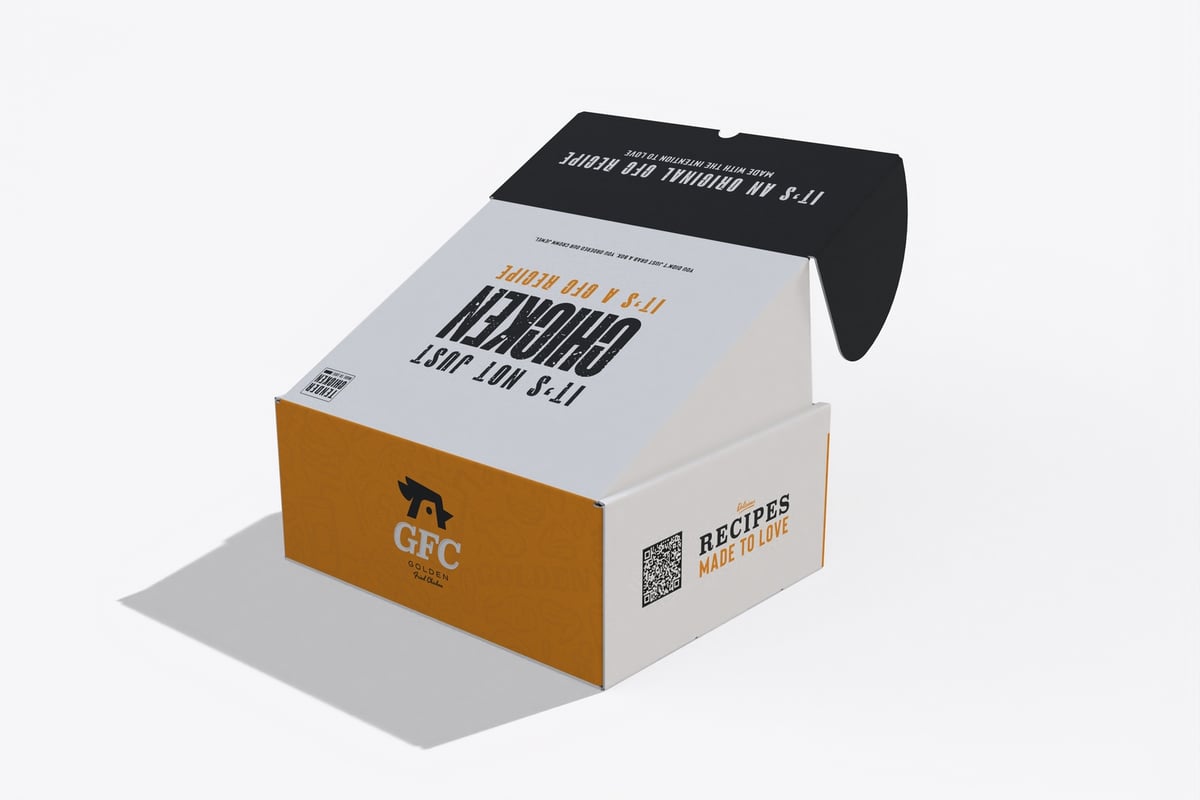
Roll out new brand systems across all touchpoints. This includes website updates, packaging redesigns, marketing campaigns, and staff training. For brands serious about standing out in retail, professional packaging services ensure consistency between brand strategy and shelf presence.
Phase 4: Optimization (Ongoing)
Measure brand perception, track customer feedback, and refine systems based on real performance data. Strategy isn't static. It evolves with your business and market conditions.
Common Questions About Working With a Strategy Agency
How is this different from hiring a marketing agency?
Marketing agencies execute campaigns within an existing strategy. A strategy agency builds the foundational system that makes those campaigns effective. Most businesses need both, but strategy comes first.
How long does strategic planning take?
For most Malta businesses, initial strategy development takes two to three months. Implementation extends over six to twelve months depending on complexity. Rushing this process creates the same fragmentation you're trying to solve.
What's the ROI of strategy work?
Direct attribution is difficult, but strategic brands consistently command higher prices, earn more referrals, and require less marketing spend per customer acquisition. The ROI shows up in pricing power and customer lifetime value, not just campaign metrics.
Can we develop strategy internally?
You can, but external perspective reveals blind spots. A strategy agency brings cross-industry experience, structured methodologies, and objectivity that internal teams struggle to maintain. You can see examples of this approach in action through our portfolio of branding work.
How do we know if we need strategic help?
If your marketing feels scattered, if price is your main differentiator, if customer acquisition costs keep rising, or if employees can't clearly explain what makes you different, you need strategy before more tactics.
| Business Signal | What It Means | Strategic Solution |
|---|---|---|
| High customer churn | Misaligned expectations | Journey mapping and positioning clarity |
| Price pressure | Weak differentiation | Competitive positioning and value framing |
| Low referral rate | Forgettable experience | Touchpoint design and consistency systems |
| Marketing inefficiency | Scattered efforts | Channel strategy and message architecture |
Strategic brand development isn't about perfect logos or clever campaigns. It's about building a cohesive system where every customer touchpoint reinforces your positioning and drives measurable business growth. If your brand feels fragmented or your marketing efforts aren't building momentum, Empixa can help you develop the strategic foundation your business needs to stand out in Malta's competitive market.