
An innovative marketing campaign does not succeed because it goes viral. It succeeds because it creates trust, shapes perception, and makes your business the obvious choice. Most campaigns focus on attention without considering what happens after someone sees your ad. They lack alignment between what you promise and what customers experience. This disconnect destroys word of mouth before it can begin. In 2026, innovation means building campaigns that connect product, price, place, promotion, people, process, and physical evidence into a system customers remember, trust, and recommend.
Why Most Innovative Marketing Campaigns Fail
Many businesses confuse creativity with strategy. They launch campaigns with bold visuals, clever taglines, and social media buzz, yet sales remain flat. The problem is not the campaign itself. It is the gap between the campaign and the customer experience.
Common failures include:
- Promising convenience without fixing slow checkout processes
- Highlighting quality while using packaging that looks cheap
- Promoting premium pricing without premium service
- Creating viral content that does not reflect actual brand values
When campaigns do not align with operational reality, customers notice. They share their disappointment faster than they share excitement. This is especially true in Malta, where word of mouth spreads quickly across tight-knit communities. A successful digital marketing campaign must reflect what your business actually delivers, not just what you want to appear to be.
The Seven Elements of Campaign Alignment
An innovative marketing campaign works when all seven marketing mix elements support the same message. This framework, known as the 7Ps, ensures consistency across every customer touchpoint.
| Element | Campaign Role | Customer Impact |
|---|---|---|
| Product | Highlight actual features and benefits | Trust builds when promises match reality |
| Price | Position value clearly | Customers justify their choice to others |
| Place | Show where and how to access | Convenience drives recommendations |
| Promotion | Communicate aligned messaging | Consistency creates memory and recognition |
| People | Feature real staff or customer stories | Human connection drives word of mouth |
| Process | Demonstrate ease of experience | Smooth interactions become talking points |
| Physical Evidence | Use design that reflects quality | Visual cues signal professionalism |
When these elements align, your campaign does more than attract attention. It creates advocates. Innovative marketing strategies in 2026 prioritize this alignment over novelty.
Building Trust Through Strategic Consistency
Trust is not built through a single clever ad. It develops when customers encounter the same message, tone, and quality across multiple interactions. An innovative marketing campaign must reinforce brand identity at every stage, from first impression to post-purchase follow-up.
Consider how recent innovative marketing campaigns have succeeded by creating cohesive experiences. They do not just advertise. They design customer journeys where each touchpoint validates the previous one.
Steps to Create Aligned Campaigns
- Audit current customer experience: Identify gaps between what you promise and what you deliver
- Map the customer journey: Document every touchpoint from awareness to advocacy
- Align messaging with reality: Ensure campaign claims reflect operational capabilities
- Design visual consistency: Use the same brand elements across all materials
- Train your team: Make sure staff can deliver on campaign promises
- Measure beyond clicks: Track trust indicators like reviews, referrals, and repeat purchases
This approach positions your branding and marketing efforts as a strategic advantage, not just tactical execution. When campaigns align with actual experience, they amplify word of mouth instead of creating disappointment.
Using Physical Evidence to Strengthen Campaign Impact
Physical evidence includes everything customers can see, touch, or experience that signals your brand's quality. This element is often overlooked in digital-first campaigns, yet it plays a critical role in building credibility.
Examples of physical evidence:
- Website design quality and loading speed
- Packaging materials and print finish
- Office or retail space presentation
- Business cards and printed materials
- Product photography and visual assets
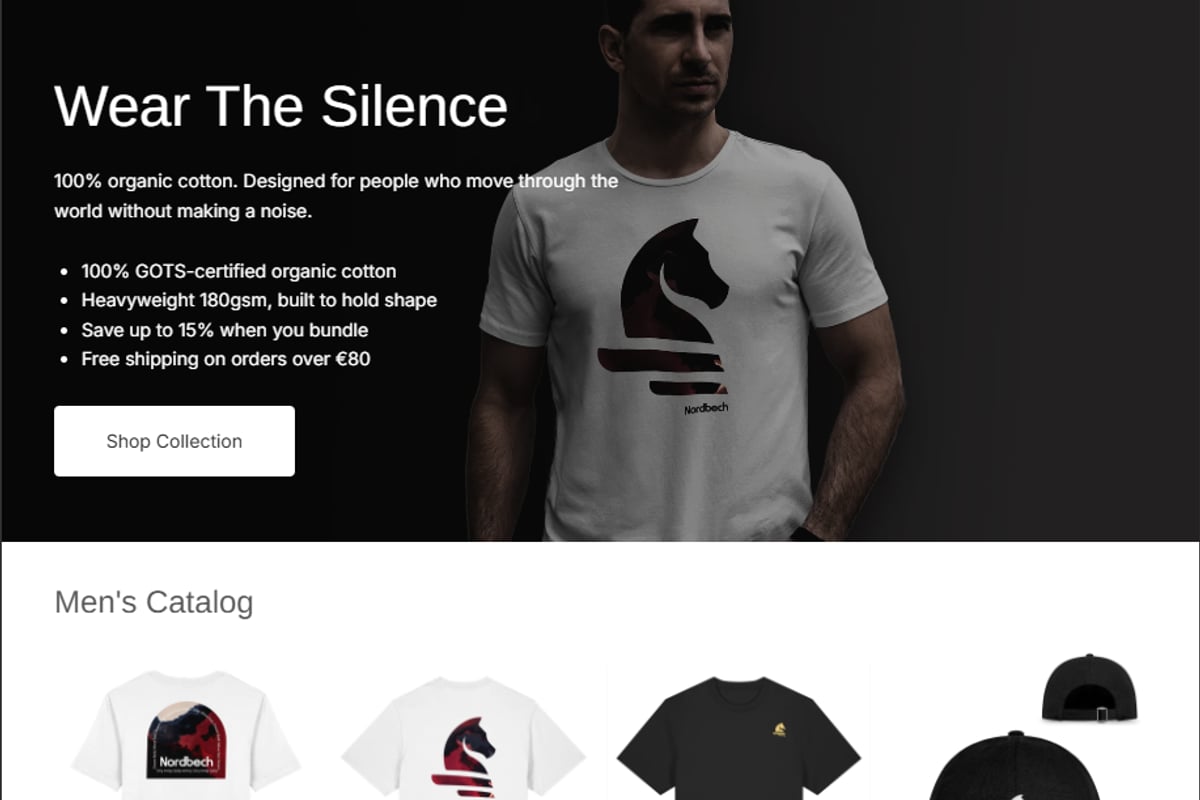
When your campaign highlights premium positioning but your website loads slowly or your packaging looks generic, customers question your credibility. They may not articulate this doubt, but it shapes their decision. Investing in professional Website Design ensures that your digital presence reinforces campaign messages rather than contradicting them. A well-designed site builds confidence and makes customers more likely to choose you over competitors.
Orchestrating Word of Mouth Through Campaign Design
Word of mouth is not accidental. It is engineered through deliberate choices that make your business easy to talk about. An innovative marketing campaign creates conversation triggers, moments that customers naturally want to share.
Research on innovative B2B marketing campaigns shows that the most effective strategies focus on creating shareable value, not just shareable content. This distinction matters. Content can go viral without driving business results. Value creates customers who return and recommend.
Creating Conversation Triggers
- Unexpected quality: Exceed expectations in small, noticeable ways
- Simplicity: Make complex processes easy to explain
- Consistency: Deliver the same experience every time
- Recognition: Acknowledge and reward customer loyalty
- Transparency: Show how your business operates
These triggers turn customers into advocates. They give people specific reasons to recommend you, not just vague positive feelings. For businesses in Malta, where personal recommendations carry significant weight, this approach builds sustainable growth.
Measuring Campaign Success Beyond Vanity Metrics
Most businesses track impressions, clicks, and engagement rates. These metrics indicate attention but not trust. An innovative marketing campaign must measure deeper indicators that predict long-term growth.
| Traditional Metric | Trust Indicator | Why It Matters |
|---|---|---|
| Impressions | Brand recall in surveys | Shows if people remember you |
| Clicks | Time on site and pages per session | Indicates genuine interest |
| Engagement | Conversion rate | Measures decision-making confidence |
| Followers | Referral rate | Tracks word of mouth strength |
| Likes | Repeat purchase rate | Shows customer satisfaction |
Creative outdoor advertising campaigns demonstrate that innovation works when it creates memorable experiences, not just momentary attention. The same principle applies across all channels. Your campaign should be designed to build relationships, not just collect data points.
Integrating Campaigns With Business Operations
The most common reason campaigns fail is disconnection from operations. Marketing promises fast delivery, but fulfillment is slow. The website claims premium service, but customer support is unresponsive. These gaps destroy trust faster than campaigns can build it.
Integration requires:
- Regular communication between marketing and operations teams
- Shared metrics that track customer experience quality
- Authority to pause campaigns when service quality drops
- Systems that capture feedback and drive improvement
- Training that aligns staff behavior with brand promises
When marketing and branding work together, they create a compounding effect. Each positive experience strengthens the campaign message. Each campaign exposure primes customers to notice quality in their interactions. This cycle builds momentum that generic campaigns cannot match.
Applying Innovation to Malta's Market
Malta's business environment presents unique opportunities for innovative campaigns. The island's size means word of mouth spreads quickly. Strong community ties amplify both positive and negative experiences. Businesses that understand this dynamic can design campaigns that leverage local networks.
Successful approaches include focusing on local partnerships, highlighting Malta-specific benefits, and creating experiences that residents naturally want to share. Performance marketing services designed for Malta must account for these cultural factors, not just apply international best practices.
The challenge is maintaining consistency as you grow. Small businesses often excel at personal service but struggle to scale that quality. An innovative marketing campaign acknowledges this reality and builds systems that preserve what makes you valuable.
FAQ
What makes a marketing campaign innovative in 2026?
Innovation comes from alignment, not novelty. A campaign is innovative when it connects all customer touchpoints into a consistent experience that builds trust and drives word of mouth.
How do I know if my campaign will generate word of mouth?
Test whether customers can easily explain why you are different. If your advantage requires a long explanation, it will not spread. Simplicity drives recommendations.
Should I focus on digital or traditional marketing channels?
Focus on channels where your customers actually make decisions. In Malta, this often means combining digital reach with traditional trust-building through local presence and relationships.
How long does it take for a campaign to build trust?
Trust builds through repeated consistent experiences. Most businesses see measurable trust indicators within three to six months of aligned campaign execution.
Can small businesses create innovative campaigns?
Yes. Innovation does not require large budgets. It requires strategic thinking about how to align your operations with your promises. Small businesses often have advantages in consistency and personal service.
An innovative marketing campaign succeeds by creating alignment between what you promise and what customers experience. When product, price, place, promotion, people, process, and physical evidence work together, they build trust that generates sustainable word of mouth. Empixa helps Malta businesses develop campaigns that go beyond attention-grabbing tactics to create strategic systems for growth through branding, websites, packaging, and data-driven marketing that customers remember, trust, and recommend.