
Marketing web page design is not decoration. It is a trust-building mechanism that shapes perception, guides decisions, and determines whether someone remembers your business or forgets it. When a potential customer lands on your page, they make judgments in seconds about credibility, professionalism, and whether you understand their needs. That first impression becomes the foundation of everything that follows: inquiries, purchases, recommendations, and word of mouth.
How Marketing Web Page Design Influences Customer Decisions
Every design choice communicates something about your business. Layout signals organization. Typography suggests tone. Imagery sets expectations. Color creates mood. These elements work together to answer the unspoken question every visitor asks: can I trust this business?
Marketing web page design determines how quickly someone understands what you offer and why it matters to them. If they cannot find the information they need within seconds, they leave. If your page looks outdated or inconsistent with your brand, they question your competence. If the experience feels chaotic or generic, they assume the product will be too.
Effective web publishing practices emphasize content organization and intuitive navigation as foundational to creating trust. Malta businesses competing for local customers need pages that immediately demonstrate relevance and authority.
Visual Hierarchy and Information Architecture
Strategic marketing web page design uses visual hierarchy to guide attention and make decision-making effortless. The most important information appears first and largest. Supporting details follow in logical order. Calls to action stand out without shouting.
Key elements of effective visual hierarchy:
- Headlines that state the benefit clearly
- Subheadings that organize content into scannable sections
- White space that separates ideas and prevents overwhelm
- Contrast that draws attention to conversion points
- Consistency that reinforces brand identity
When hierarchy is clear, visitors process information faster. They understand what you do, why it matters, and what to do next. This clarity reduces friction and builds confidence. Understanding homepage design principles helps businesses create structure that communicates value immediately.
Aligning Design with the Seven Marketing Elements
Marketing web page design becomes powerful when it reflects alignment across product, price, place, promotion, people, process, and physical evidence. Each element should be visible and consistent throughout the page experience.
Your product presentation must match the quality you deliver. Pricing should be transparent or clearly positioned. Place refers to how accessible your service feels through the page. Promotion means your messaging aligns with how customers found you. People includes testimonials, team visibility, and human connection. Process shows how working with you actually functions. Physical evidence provides proof through case studies, certifications, or portfolio work.
| Marketing Element | How It Appears on the Page | Impact on Trust |
|---|---|---|
| Product | Clear descriptions, benefits-focused copy | Sets expectations accurately |
| Price | Transparent pricing or clear value positioning | Reduces purchase anxiety |
| People | Team photos, testimonials, real names | Creates human connection |
| Process | Step-by-step explanations, timelines | Eliminates uncertainty |
| Physical Evidence | Portfolio, case studies, certifications | Provides social proof |
When these elements align, the page feels coherent and trustworthy. When they conflict, visitors sense something is off and leave.
Mobile Responsiveness and User Experience
Most Malta visitors access websites from mobile devices. Marketing web page design that fails on mobile fails completely. Responsive design is not optional. It is the baseline expectation.
Mobile-first design means prioritizing the smallest screen experience first, then expanding for larger displays. This approach forces clarity. You cannot hide weak messaging behind decorative elements when space is limited. Every word and image must justify its presence.
Touch targets need adequate spacing. Text must be readable without zooming. Navigation should work with thumbs, not cursors. Forms should be simple and auto-fill friendly. Navigation best practices become even more critical on mobile, where menus are hidden and space is constrained.
A professional website design service focuses on mobile-first responsive design that works flawlessly across devices, ensuring no customer is excluded from your message.
Conversion-Focused Layout and Calls to Action
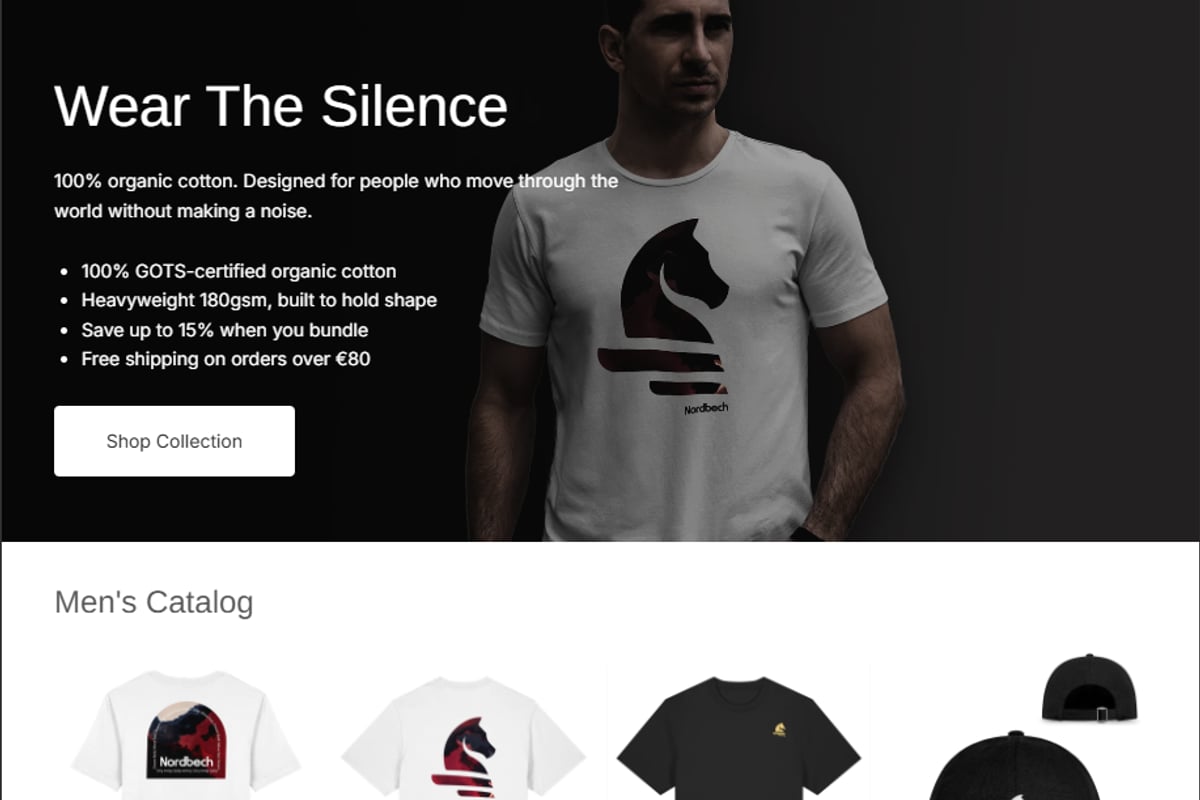
Marketing web page design must move people toward action. Every page should have a primary conversion goal: book a consultation, request a quote, download a resource, or make a purchase. Secondary goals can exist, but they should not compete with the primary objective.
Effective conversion design includes:
- Clear value proposition above the fold
- Single, prominent call to action
- Benefit-driven copy that addresses objections
- Social proof near conversion points
- Minimal friction in the conversion process
Landing page design best practices emphasize simplicity and focus. Remove anything that does not support the conversion goal. Every distraction costs you customers.
For Malta businesses, localization matters. Use familiar terminology, reference local landmarks or contexts, and demonstrate understanding of the specific challenges Maltese companies face. Generic pages converted for Malta do not build the same trust as pages designed with Malta in mind.
Content Strategy and Brand Consistency
Marketing web page design works when content strategy and visual design operate as one system. Your messaging should reflect the same brand voice across every page, email, and touchpoint. Inconsistency creates doubt.
Content must answer the questions your customers actually ask. Homepage lead generation best practices show that clear value propositions and benefit-focused headlines dramatically increase conversion rates.
Strategic businesses approach this through performance branding, where every design and messaging decision is tested against business outcomes. Does this layout increase inquiries? Does this headline reduce bounce rate? Does this image improve time on page?
Technical Performance and Trust Signals
Page speed affects trust. Slow-loading pages suggest incompetence or neglect. Marketing web page design must balance visual appeal with technical performance. Images should be optimized. Code should be clean. Hosting should be reliable.
Trust signals include SSL certificates, privacy policies, contact information, and professional imagery. Research on content design effectiveness demonstrates that even small design improvements can significantly impact customer engagement.
For businesses working across markets, partnering with experts who understand both strategy and execution becomes essential. A digital marketing bureau like Fremadd demonstrates how specialized expertise in B2B marketing creates measurable results through strategic implementation.
Testing and Continuous Improvement
Marketing web page design is never finished. Customer behavior changes. Competitors evolve. Markets shift. The best pages are continuously tested and refined based on real data.
A/B testing reveals what actually drives conversions versus what you assume works. Heat mapping shows where attention goes. Session recordings expose friction points. Analytics identify drop-off patterns.
Businesses exploring efficiency gains increasingly turn to AI solutions to automate optimization processes and identify patterns humans might miss. The key is using data to make strategic decisions, not just collecting information.
Creating Pages That Generate Word of Mouth
Marketing web page design becomes a word-of-mouth engine when it exceeds expectations so clearly that people feel compelled to share. This happens when the experience is:
- Surprisingly clear: Complex ideas explained simply
- Unexpectedly helpful: Providing value before asking for anything
- Notably different: Standing out from generic competitors
- Demonstrably better: Proof that you deliver what you promise
Understanding how to orchestrate word of mouth marketing shows that remarkable pages create conversations. They give people something worth mentioning.
Pages should make sharing easy. Include clear contact information. Provide shareable resources. Create content worth forwarding. The goal is not viral marketing. The goal is building a page so useful and trustworthy that your customers become your advocates.
Marketing web page design shapes every business outcome that follows: trust, conversion, retention, and recommendation. When pages align with broader brand strategy and reflect genuine understanding of customer needs, they become assets that compound value over time. Empixa helps Malta businesses create high-performance websites that build trust, drive decisions, and turn visitors into advocates through strategic design and clear messaging.