Your website is not a brochure. Your digital marketing is not a megaphone. Together, they form a unified system that either builds trust and drives word of mouth or wastes budget creating noise nobody remembers. In Malta's competitive market, most businesses treat website and digital marketing as separate projects managed by different people with different goals. That misalignment costs more than money. It costs credibility, customer confidence, and recommendations.
The Real Problem with Website and Digital Marketing
The issue is not bad design or low ad spend. The problem is fragmentation. Your website says one thing. Your Facebook ads say another. Your email campaign contradicts both. Customers notice these inconsistencies immediately, even if they cannot articulate why something feels off.
When your messaging, visuals, tone, and promises do not align across every touchpoint, trust erodes. A prospect clicks your ad promising "premium Maltese ingredients" and lands on a generic website with stock photos and no local context. They leave. Not because your product is bad, but because the experience did not match the expectation you created.
Website and digital marketing must work as one integrated brand experience. Every campaign should reinforce your positioning. Every landing page should deliver on the promise made in the ad. Every email should feel like it comes from the same business customers saw on social media.
The Seven Brand Touchpoints That Must Align
Successful website and digital marketing strategies address all seven marketing mix elements, not just product and promotion. Here is how they connect:
| Marketing Element | Website Role | Digital Marketing Role |
|---|---|---|
| Product | Showcase benefits clearly | Target audiences searching for solutions |
| Price | Communicate value, not just cost | Reach price-conscious or premium segments |
| Place | Enable online purchasing or lead capture | Drive local and international traffic |
| Promotion | Serve as campaign destination | Amplify reach through paid and organic channels |
| People | Display team, testimonials, trust signals | Build relationships through content and engagement |
| Process | Explain how customers buy or engage | Nurture leads through automated sequences |
| Physical Evidence | Show portfolio, case studies, certifications | Reinforce credibility with proof in ads |
This alignment transforms random tactics into a system that builds memory structures. When every touchpoint reinforces the same brand promise, customers remember you when it matters.
How Malta Businesses Waste Digital Marketing Budgets
Many Malta businesses invest in Google Ads or Facebook campaigns without optimizing the website first. They send traffic to slow pages, unclear offers, or broken mobile experiences. Industry research shows that 53% of mobile users abandon sites that take longer than three seconds to load.
Common mistakes include:
- Running ads before fixing website conversion issues
- Using different brand voices across platforms
- Ignoring mobile optimization while spending on mobile ads
- Launching campaigns without tracking setup
- Creating landing pages that do not match ad messaging
- Overlooking local SEO while paying for traffic
These errors are not technical failures. They are strategic misalignments that prevent word of mouth. A customer might click your ad, but if the website experience disappoints, they will not recommend you. They will not return. They will not trust you enough to make a purchase.
The Strategic Approach to Website and Digital Marketing Integration
Start with your website as the foundation. Before spending a euro on ads, ensure your site clearly answers: What do you do? Who do you serve? Why should someone choose you? What should they do next?
Best practices for managing company websites emphasize clarity, speed, accessibility, and consistent content updates. Your digital marketing campaigns should then amplify this foundation, not compensate for its weaknesses.
The integration process:
- Audit your brand consistency across website, social profiles, email templates, and ad creative
- Define your customer journey from first ad impression to purchase and referral
- Map content to each stage with aligned messaging and visual identity
- Implement technical foundations including analytics, conversion tracking, and CRM integration
- Launch campaigns that send traffic to optimized, relevant landing pages
- Measure brand recall and recommendation rates, not just clicks and impressions
This process ensures your website design and marketing campaigns work together to create a cohesive brand experience that customers remember and recommend.
The Malta Advantage: Local Targeting with Global Standards
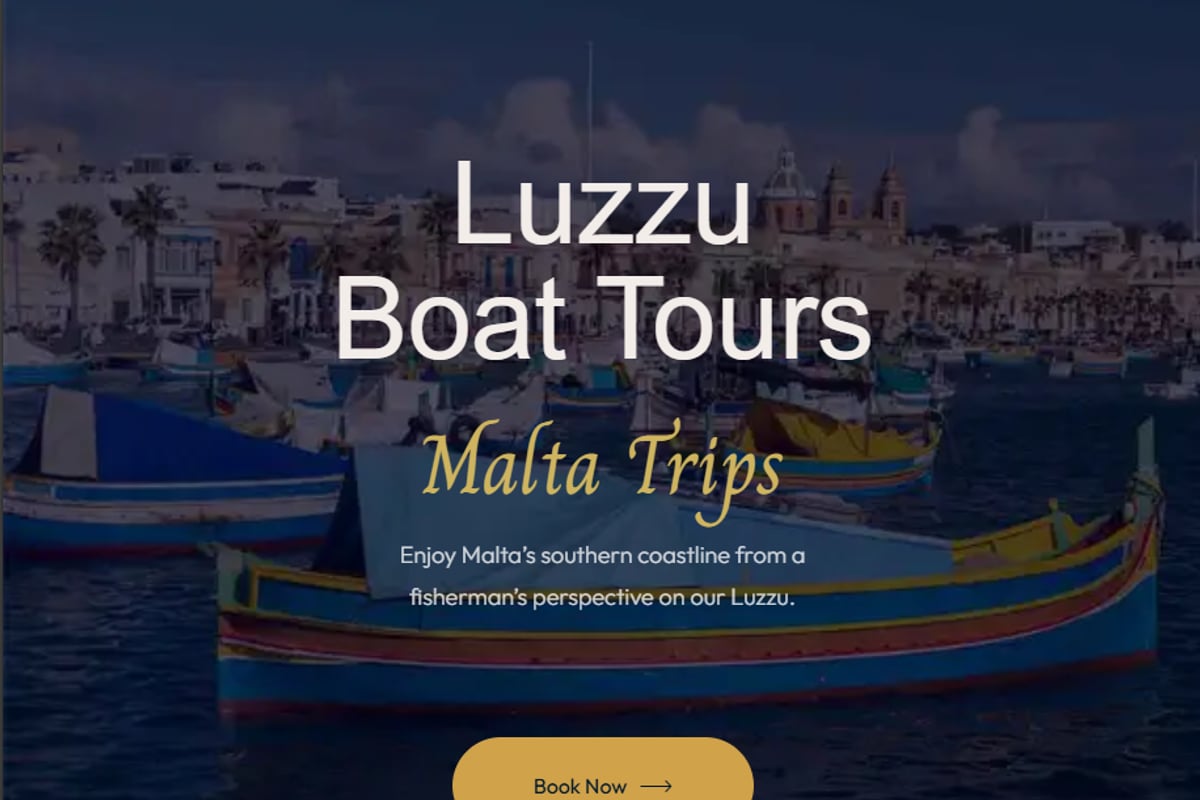
Malta businesses have a unique advantage in website and digital marketing. The market is concentrated, audiences are reachable through precise targeting, and local credibility matters significantly. A Maltese restaurant, retailer, or service provider can dominate local search and social channels with consistent, strategic brand presence.
Yet many Malta businesses copy international competitors without adapting to local context. They use generic stock imagery instead of local photography. They ignore Maltese search behavior patterns. They fail to optimize for "Malta" or specific locality keywords that drive high-intent traffic.
Local optimization checklist:
- Include Malta-specific keywords naturally in website content
- Use local imagery and references that resonate with your audience
- Optimize Google Business Profile with consistent NAM (Name, Address, Malta phone number)
- Create content addressing Malta-specific customer questions and concerns
- Build local backlinks from Malta directories, news sites, and partners
- Run geo-targeted campaigns focused on Malta postcodes or regions
Digital marketing statistics for 2026 reveal that local search drives 76% of people to visit a business within 24 hours. Your website must capture that intent with clear location signals and compelling local proof.
Content Strategy That Builds Authority and Trust
Website and digital marketing effectiveness depends on content that educates, not just promotes. Malta customers research before they buy. They compare options. They read reviews. They ask friends.
Your content strategy should answer their questions before competitors do. Create blog posts, case studies, FAQs, and guides that demonstrate expertise. Research on high-performing websites shows that sites publishing educational content regularly see 67% more leads than those that do not.
Content types that drive results:
- How-to guides addressing specific customer challenges
- Case studies with Malta business examples and measurable outcomes
- Comparison articles helping customers make informed decisions
- FAQ pages optimized for voice search and featured snippets
- Video content demonstrating products or explaining complex services
Each piece should reinforce your brand positioning and guide readers toward a clear next step. Content is not separate from digital marketing, it is the fuel that makes campaigns sustainable and cost-effective over time.
Measuring What Actually Matters
Most businesses track the wrong metrics. They celebrate high website traffic but ignore bounce rates. They measure ad impressions but not brand recall. They count leads but do not track how many came from referrals.
The metrics that predict growth:
| Vanity Metric | Strategic Metric |
|---|---|
| Total website visits | Qualified lead conversion rate |
| Social media followers | Engagement rate and message volume |
| Ad impressions | Cost per qualified customer |
| Email list size | Email-driven revenue and retention rate |
| Blog post count | Content-assisted conversions |
Top online marketing services emphasize attribution modeling that connects every touchpoint to revenue outcomes. Your website analytics should track not just who visits, but who converts, who returns, and who recommends.
Empixa helps businesses understand these connections through digital marketing strategies that treat every channel as part of one customer experience system.
Building Systems That Create Word of Mouth
Word of mouth is not accidental. It happens when your website and digital marketing create experiences worth talking about. When someone lands on your site after clicking an ad and thinks, "This is exactly what I was looking for," they remember you. When they receive an email that actually helps them solve a problem, they forward it. When they see consistent quality across every interaction, they recommend you.
The goal is not viral moments. The goal is reliable, consistent brand presence that makes choosing you and recommending you easy. That requires alignment between what you promise in ads and what you deliver on your website. It requires understanding how word of mouth marketing works and designing every touchpoint to encourage it.
Malta businesses that integrate website and digital marketing strategically do not just generate leads. They build reputations that compound over time, reducing acquisition costs while increasing customer lifetime value and referral rates.
Website and digital marketing are not separate functions. They are interconnected elements of your brand system that either work together to build trust or work against each other to create confusion. If you are ready to align your online presence with a strategic approach that drives measurable business growth in Malta, Empixa can help you build a brand system customers remember, choose, and recommend.