
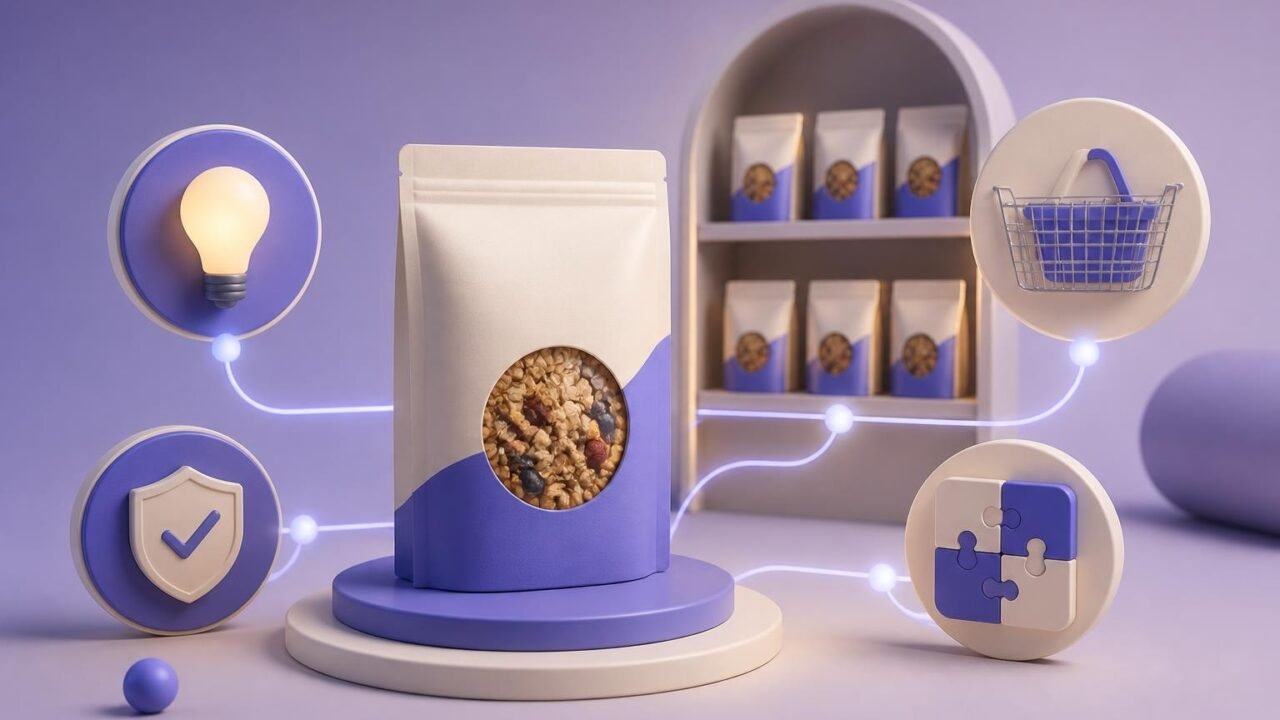
A food packaging service is not about creating pretty boxes. It is about building a container that communicates value, protects product integrity, and drives customer decisions at the point of purchase. Most businesses treat packaging as an afterthought or a design exercise. That approach misses the strategic role packaging plays in brand perception, customer trust, and word of mouth momentum. When your packaging aligns with your brand promise and customer expectations, it becomes a silent salesperson that works across every touchpoint where your product appears.
The global shift toward sustainability and smart technologies in food packaging reflects changing consumer priorities. Buyers want transparency, safety, and environmental responsibility. Your packaging must address these expectations while reinforcing what makes your product distinct. This is where strategic brand development intersects with packaging design.
The Real Problem Behind Food Packaging Design
Many businesses approach a food packaging service with surface-level goals. They want something that looks good or matches a competitor's style. The deeper issue is alignment. Your packaging must align with your brand identity, your customer's expectations, and the regulations that govern food safety and labeling.
Packaging is part of the product experience. It shapes the first impression, communicates quality, and influences whether a customer recommends your product to others. When packaging fails to align with the brand promise, it creates cognitive dissonance. The customer sees a premium product but receives it in packaging that feels cheap or unclear. That gap erodes trust.
Packaging as a Brand Touchpoint
Every element of your packaging communicates something about your business. The material choice signals environmental values or cost consciousness. The typography and color palette reinforce brand recognition or create confusion. The structural design affects usability and shelf presence.
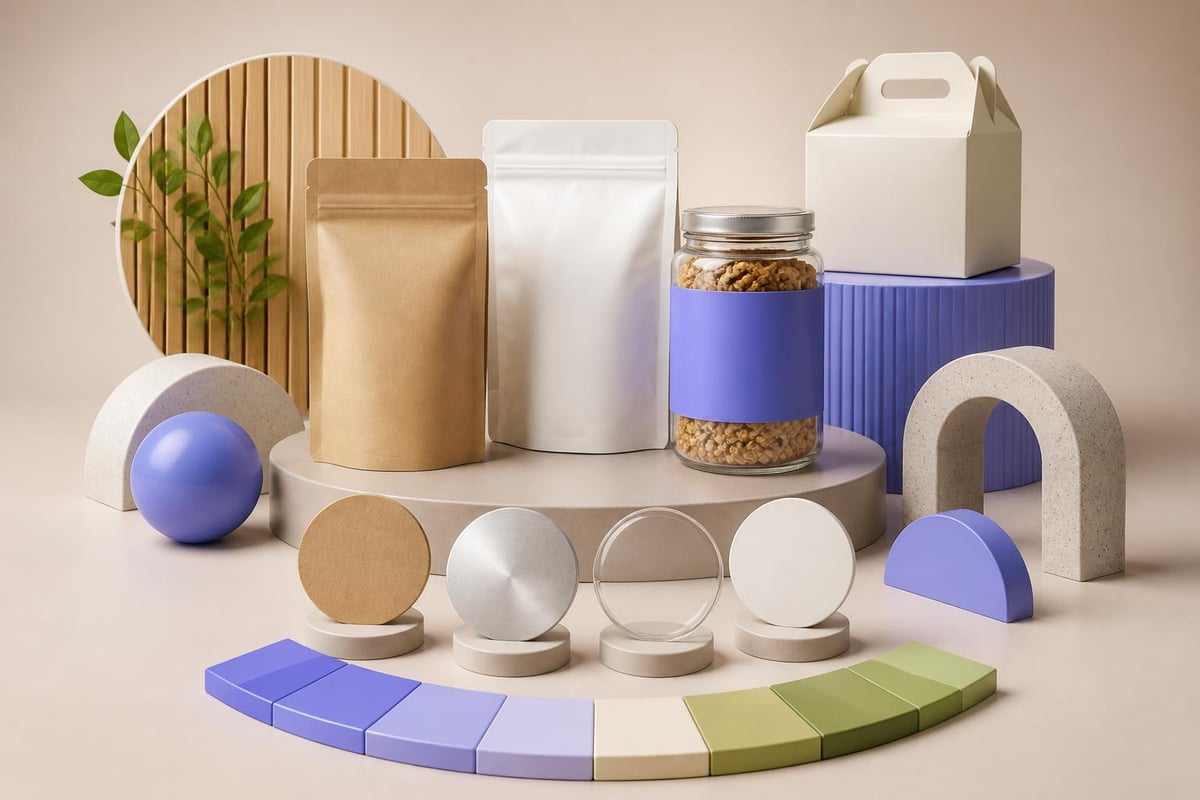
Consider a local Maltese food producer launching a new line of artisan preserves. If the packaging uses generic templates and low-cost materials, it contradicts the artisan positioning. If it uses hand-drawn illustrations, natural textures, and clear ingredient transparency, it reinforces the brand story. The packaging becomes part of the product itself, not just a container.
Connecting Food Packaging to the 7Ps of Marketing
The 7Ps of Marketing framework provides a useful lens for evaluating packaging strategy. Your food packaging service decisions affect multiple Ps simultaneously.
Product
Packaging is part of the product. It protects, preserves, and presents. Food safety regulations require packaging materials to prevent contamination and maintain freshness. Beyond compliance, packaging must support the product's functional and emotional benefits. If your product promises convenience, the packaging must open easily and reseal securely. If it promises luxury, the unboxing experience must feel considered and premium.
Place
Where your product is sold affects packaging requirements. Retail shelves demand high visibility and clear differentiation. E-commerce requires durability during shipping and a strong unboxing moment. A food packaging service must account for distribution channels and shelf environments. Understanding Malta’s retail landscape helps tailor packaging to local market conditions.
Promotion
Packaging is a promotional tool. It communicates key messages, highlights certifications, and reinforces brand positioning. The visual hierarchy guides the customer's eye to what matters most: product name, key benefit, origin story, or sustainability claim. Upcoming packaging trends for 2026 emphasize data transparency and compliance as competitive advantages, not just legal obligations.
Price
Packaging affects perceived value. Premium packaging can justify higher price points if it aligns with the product quality and customer expectations. Budget packaging signals affordability but may limit growth into higher-value segments. The goal is coherence, not necessarily luxury. A well-designed food packaging service creates packaging that feels appropriate for the price point and brand category.
People
Your team must understand packaging's strategic role. Sales teams should be able to explain packaging choices to retailers. Customer service should know how packaging supports product use. When everyone understands that packaging is part of the brand promise, consistency improves.
Process
The packaging development process must integrate brand strategy, regulatory compliance, and production feasibility. A food packaging service should provide print-ready files that meet material safety requirements and production specifications. Iteration and testing prevent costly mistakes.
Physical Evidence
Packaging is tangible proof of your brand. It is the physical artifact customers interact with before, during, and after purchase. It appears in social media posts, kitchen counters, and gift exchanges. Quality packaging reinforces trust. Poor packaging raises doubts about what is inside.
How Packaging Drives Word of Mouth
Word of mouth is not accidental. It happens when customers have something worth sharing. Packaging contributes to word of mouth in three ways: visual shareability, functional delight, and story amplification.
Visual shareability means your packaging looks good in photos. Customers post unboxing videos, flat lays, and product reviews. If your packaging is distinctive and photogenic, it appears in more content. This organic visibility extends your reach without paid promotion.
Functional delight happens when packaging solves a problem or surprises positively. A resealable pouch that actually reseals. A box that transforms into a serving tray. These moments create positive associations and conversation starters.
Story amplification occurs when packaging communicates your brand story clearly. A local ingredient sourced from Maltese farms. A family recipe passed down through generations. When the packaging tells this story well, customers repeat it to others.
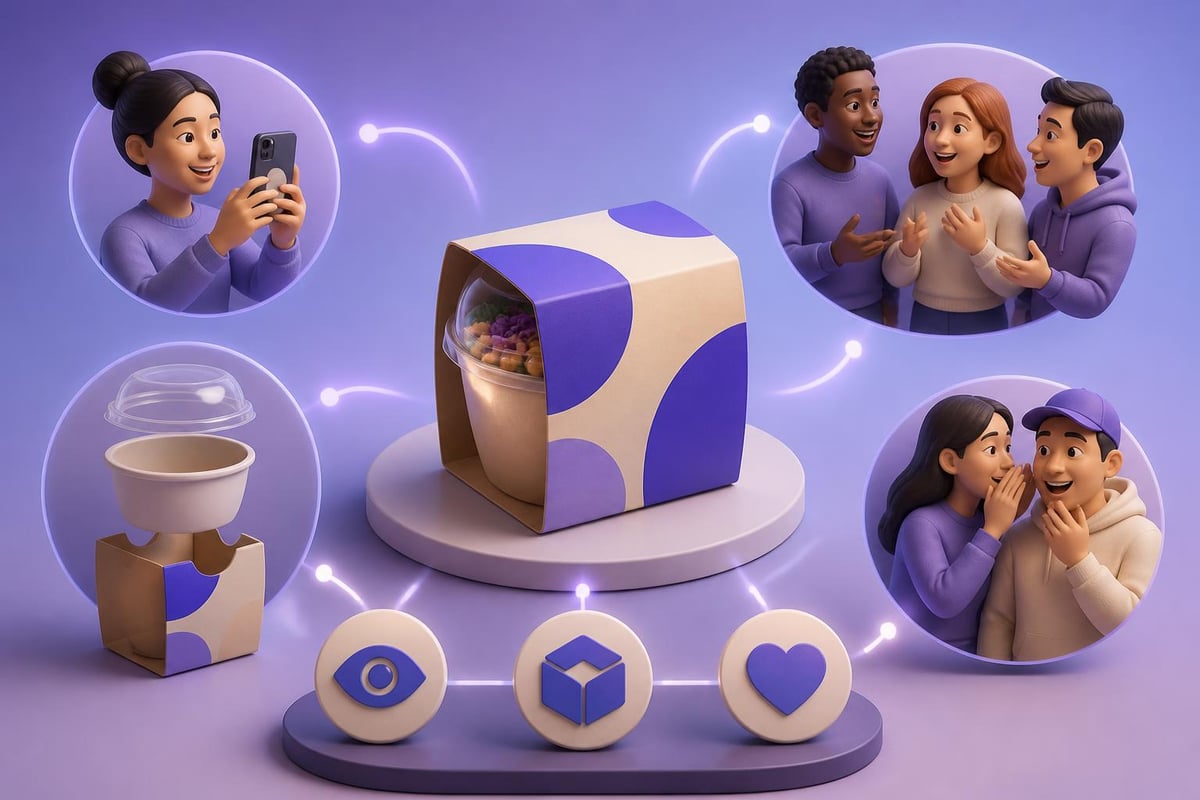
The eco-friendly innovations highlighted by Mintel demonstrate how sustainability stories drive word of mouth. Customers talk about brands that align with their values, and packaging is the most visible proof of those values.
Malta-Specific Considerations for Food Packaging
Operating in Malta presents unique opportunities and constraints. The island's size creates tight distribution networks, making shelf presence critical. Maltese consumers value quality, authenticity, and local connections. Your food packaging service must reflect these preferences.
Many Maltese food businesses target both local and export markets. Packaging must work in local retail environments while meeting EU regulations for broader distribution. Multilingual labeling, clear origin statements, and compliance with European standards are baseline requirements.
A strategic branding agency in Malta understands these local and regional dynamics. They design packaging that resonates with Maltese buyers while preparing products for international growth. This dual focus prevents the need for costly redesigns as businesses scale.
When working with a food packaging service, businesses should account for local printing capabilities, lead times, and minimum order quantities. Malta's production landscape differs from larger markets. Understanding these constraints early ensures realistic timelines and budgets.
Practical Steps for Selecting a Food Packaging Service
Choosing the right partner requires clarity on your brand strategy and business goals. Here is a structured approach:
| Step | Action | Outcome |
|---|---|---|
| 1. Define Brand Positioning | Clarify your brand values, target customer, and key differentiators | Clear creative brief |
| 2. Audit Competitors | Analyze packaging in your category for patterns and gaps | Strategic differentiation opportunities |
| 3. Establish Requirements | List regulatory, functional, and budget constraints | Realistic project parameters |
| 4. Evaluate Partners | Review portfolios, processes, and compliance knowledge | Shortlist of qualified providers |
| 5. Request Concepts | Brief selected partners and review initial design directions | Visual alignment assessment |
A quality food packaging service should ask about your brand, your customer, and your distribution strategy before discussing aesthetics. If the conversation starts with colors and fonts, it is not strategic.
Key Questions to Ask
- How do you integrate brand strategy into packaging design?
- What is your process for ensuring regulatory compliance?
- How do you approach sustainability and material selection?
- What file formats and production support do you provide?
- Can you show examples of packaging that increased product sales?
These questions reveal whether the service understands packaging as a business tool or treats it as a creative project.
Measuring Packaging Effectiveness
Track both qualitative and quantitative signals. Sales velocity shows how quickly products move off shelves. Customer feedback reveals usability issues and perception gaps. Social media mentions indicate shareability and word of mouth impact.
Compare packaging performance across product lines or before and after redesigns. Look for patterns in returns, complaints, and positive reviews. A/B testing different packaging options in controlled retail environments can provide direct performance data.
The U.S. food packaging market outlook shows consistent growth driven by innovation and consumer demand. Businesses that treat packaging as a strategic investment, not a cost, capture more of this growth.
Common Packaging Mistakes to Avoid
Ignoring Shelf Context: Designing packaging in isolation without considering how it appears next to competitors or under retail lighting.
Overcomplicating Messaging: Trying to communicate too many benefits or stories on limited space. Clarity beats comprehensiveness.
Skipping Prototyping: Approving designs on screen without seeing physical samples. Packaging looks and feels different in three dimensions.
Neglecting Sustainability: Assuming customers do not care about environmental impact. They do, and packaging trends for 2025 confirm this.
Choosing Style Over Strategy: Selecting designs based on personal preference rather than brand alignment and customer research.
These mistakes are avoidable with a disciplined process and strategic thinking.
The stages of strategic food packaging development from brand research and competitor analysis through compliance review and production files
Integrating Packaging Into Your Broader Marketing System
Packaging does not exist in isolation. It must integrate with your website, social media presence, retail merchandising, and customer communications. Visual consistency across these touchpoints builds recognition and trust.
Use packaging imagery in digital marketing. Feature product photography that highlights packaging design on your website and advertising. Train retail partners on the brand story your packaging communicates so they can reinforce it with customers.
When packaging aligns with your broader brand system, every customer interaction reinforces the same message. This consistency accelerates trust and supports premium positioning.
A comprehensive approach to brand development ensures packaging works as part of a cohesive system rather than a standalone element. This integration multiplies effectiveness across all marketing investments.
FAQ
What should I prioritize when designing food packaging?
Start with brand alignment and regulatory compliance. Your packaging must reflect your brand positioning and meet all legal requirements for food safety and labeling. From there, optimize for shelf visibility and customer usability.
How much should I budget for a food packaging service?
Budget depends on complexity, printing method, and order volume. Expect to invest in design development, prototyping, and production setup. Quality packaging is a long-term asset, not a one-time expense.
Can I use the same packaging for retail and e-commerce?
Sometimes, but not always. Retail packaging prioritizes shelf presence. E-commerce packaging prioritizes shipping durability and unboxing experience. Evaluate whether dual-purpose packaging serves both channels well or if channel-specific versions perform better.
How do I know if my packaging is working?
Monitor sales performance, customer feedback, return rates, and social media mentions. Compare metrics before and after packaging changes. Customer interviews and retail partner feedback provide qualitative insights.
What makes food packaging compliant with regulations?
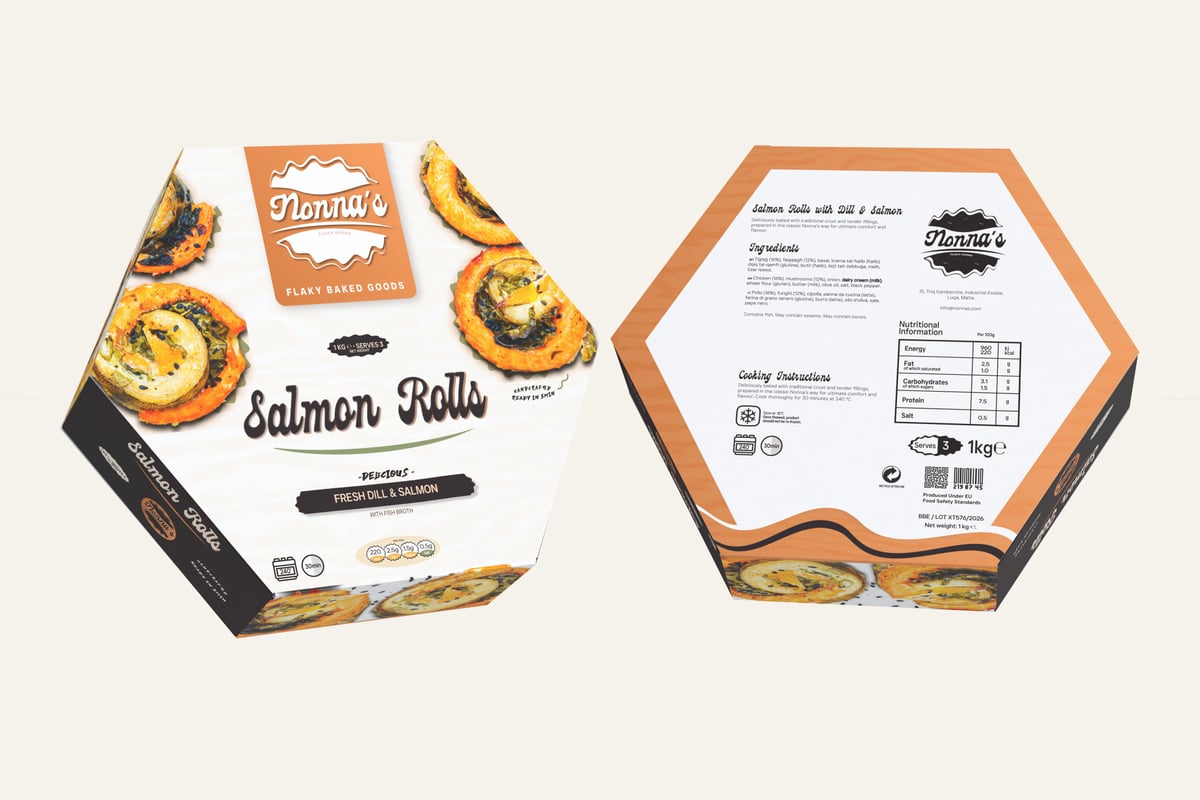
Compliance requires accurate ingredient lists, allergen warnings, nutritional information, and safe materials. Work with a food packaging service familiar with regional regulations to ensure all requirements are met.
Food packaging is a strategic brand asset that influences customer perception, drives purchase decisions, and generates word of mouth. When packaging aligns with your brand promise and customer expectations, it becomes a powerful marketing tool that works every time someone sees your product. If you need packaging that reflects your brand strategy and supports business growth, Empixa develops complete visual identity systems including print-ready packaging design for Malta businesses.