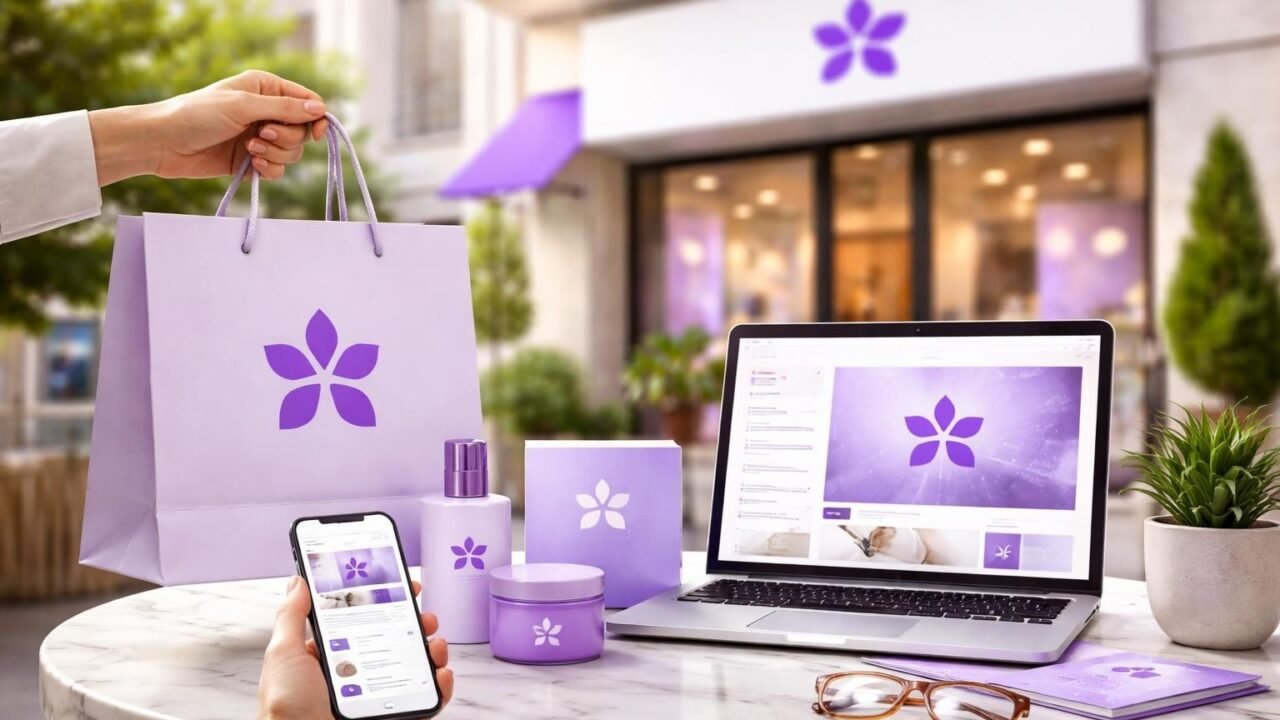
Your marketing logo serves as the visual anchor of your entire brand. For Maltese businesses competing in crowded local markets and expanding beyond the islands, this single design element carries tremendous responsibility. It appears on your storefront, packaging, website, social media profiles, and every customer interaction. The right approach transforms a simple graphic into a recognition tool that builds trust and drives customer decisions.
The Strategic Role of a Marketing Logo
A marketing logo differs from a decorative emblem in one critical way: purpose. While any designer can create an attractive symbol, a strategic marketing logo communicates specific brand attributes that influence purchasing decisions. Research on brand logo classification demonstrates how consumers process visual brand markers almost instantaneously, making that first impression essential.
In Malta's retail environment, where shelf space is limited and competition is intense, your logo must work harder than in larger markets. Consider how local brands appear across Maltese supermarkets, village shops, and digital platforms. The most successful ones maintain visual consistency while adapting to different contexts.
Core Elements That Drive Recognition
Effective logo design follows principles that transcend trends and gimmicks. Best practices for logo design emphasize several non-negotiable elements:
- Simplicity that ensures recognition at any size
- Memorability that sticks after a single exposure
- Versatility across packaging, digital platforms, and print
- Appropriateness for your specific industry and audience
- Timelessness that avoids dated design trends
These principles matter especially for Malta-based businesses. Your marketing logo appears on everything from business cards to billboards along Valletta streets, from Instagram posts to product labels in Pama Shopping Village.
Design Trends Shaping 2026
The visual landscape continues evolving, but not every trend serves every business. Logo design trends defining 2026 include adaptable identities that shift based on context, organic shapes reflecting sustainability values, and simplified marks that work seamlessly in digital environments.
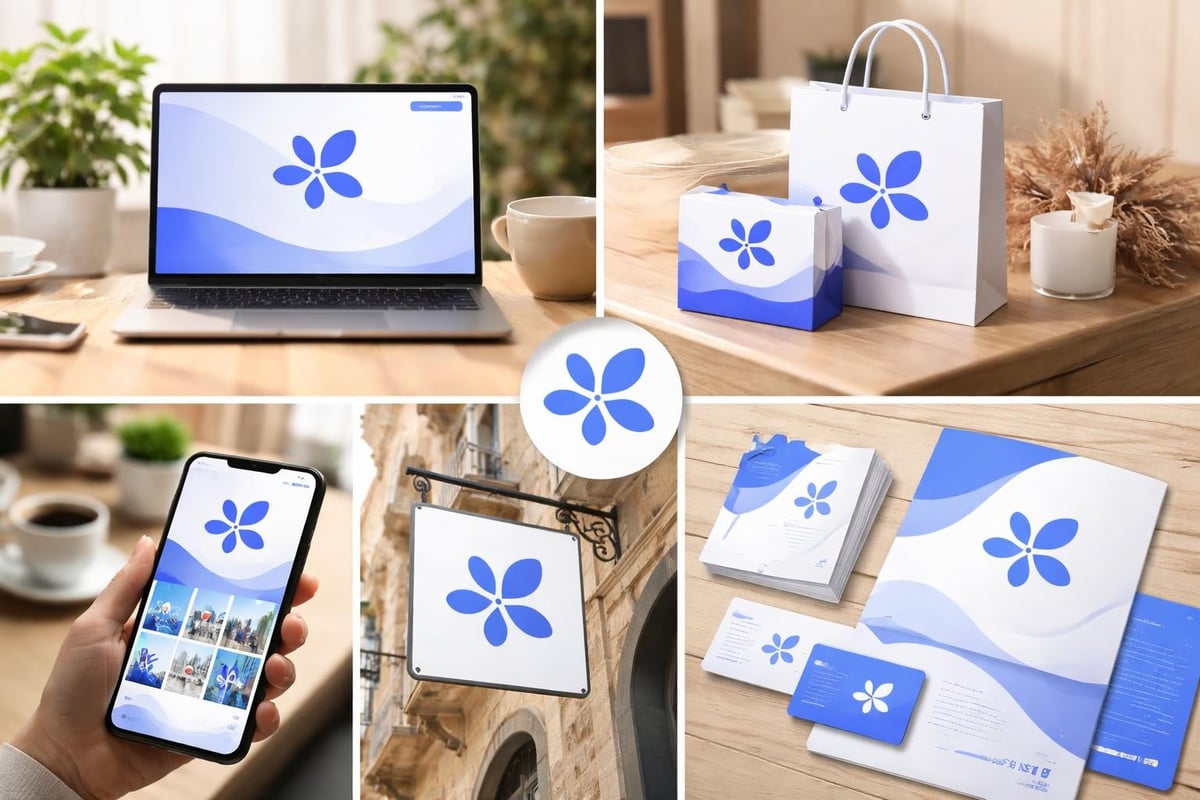
For Maltese brands, particularly those in food, hospitality, and retail sectors, these trends offer practical applications. An adaptable identity system lets your marketing logo flex between your packaging design and your digital presence without losing recognition. This matters when customers encounter your brand at a farmers' market in Marsaxlokk, then see your Instagram ad, then walk past your shop in Sliema.
The Textless Logo Decision
Some brands eliminate text entirely, relying on pure symbols. Famous textless logos like Apple and Nike demonstrate this approach's power, but it demands substantial brand equity and marketing investment.
Most Maltese businesses benefit from including their name within or alongside the logo, especially during establishment phases. Local customers need that text reference until your symbol achieves independent recognition. The exception: brands with significant advertising budgets or those operating in visual-first categories like fashion or design.
| Logo Approach | Best For | Recognition Timeline | Budget Requirement |
|---|---|---|---|
| Text + Symbol | New businesses | 3-6 months | Moderate |
| Text Only | Professional services | 2-4 months | Low |
| Symbol Only | Established brands | 12-24 months | High |
| Combination Mark | Growing businesses | 6-12 months | Moderate-High |
Implementation Across Marketing Channels
Your marketing logo's value emerges through consistent application. This means identical colors, proportions, and spacing across every touchpoint. When working with branding services, businesses receive comprehensive brand guidelines that specify exactly how the logo appears in different contexts.
These guidelines prevent the gradual dilution that weakens brand recognition. One version for your website, another for business cards, a third for packaging creates confusion, not consistency. Maltese customers encounter your brand across multiple channels daily. That repetition builds trust only when the visual presentation remains unified.
Digital Optimization Requirements
Modern logos must perform in digital environments first, physical applications second. This reverses historical priorities but reflects current customer behavior. Your marketing logo appears more frequently on mobile screens, social media feeds, and websites than on printed materials.
Technical considerations for 2026:
- Scalability: Must remain clear at 16×16 pixels (favicon size)
- Contrast: Works against both light and dark backgrounds
- File formats: SVG for web, high-res PNG for social media
- Color modes: RGB for digital, CMYK for print
- Negative space: Maintains clarity when reversed
Tools like Canva and Adobe Express offer starting points for exploration, though professional design ensures strategic alignment with your broader brand positioning. The von Buchholtz GmbH approach to integrated brand communication demonstrates how logos function within larger marketing systems, not as isolated elements.
Color Psychology and Cultural Context
Color selection carries psychological weight. In Malta's Mediterranean context, certain color associations differ from Northern European or American markets. Blues and whites evoke maritime heritage and trust, appropriate for many local businesses. Reds and golds signal premium positioning, common in hospitality brands.
HubSpot’s logo design principles emphasize making statements based on brand values. Your color choices should reflect what you want customers to feel, not personal preferences. A legal firm needs different emotional triggers than a beach club.
Typography and Readability
Font selection impacts how customers perceive your professionalism and approach. Five top tips for great logo design include choosing the right font as a foundational decision.
Sans-serif fonts communicate modernity and clarity. Serif fonts suggest tradition and reliability. Script fonts indicate elegance or personalization. For Maltese businesses, particularly those targeting both local and tourist markets, readability across languages matters. Your typography must work whether customers speak Maltese, English, or other European languages.
Measuring Logo Effectiveness
Beyond aesthetics, your marketing logo should generate measurable business results. Research on logo visibility shows placement and prominence directly affect consumer perception and purchasing decisions.
Track these indicators:
- Recognition testing: Can customers identify your brand from the logo alone?
- Application consistency: Does your logo appear identically across all materials?
- Competitor differentiation: Is your logo distinct within your category?
- Scalability performance: Does it work at all required sizes?
- Emotional response: Do customers associate it with your intended brand values?
Regular audits prevent drift. As businesses grow and add services, maintaining logo consistency requires discipline. Your complete brand portfolio should demonstrate this unified presence across projects and applications.
Professional Development vs. DIY Approaches
The accessibility of design tools has democratized logo creation, but strategic development requires more than software access. Professional branding services deliver research-backed design that accounts for competitive positioning, cultural context, and long-term brand architecture.
This investment pays returns through:
Immediate benefits: Professional files, multiple formats, comprehensive guidelines
Medium-term gains: Consistent application, reduced design errors, faster deployment
Long-term value: Enduring design, competitive differentiation, brand equity accumulation
For Maltese businesses planning expansion beyond local markets or seeking premium positioning, professional development becomes essential rather than optional. Your marketing logo represents years of business building in a single mark.
A strategic marketing logo forms the foundation of brand recognition, customer trust, and business growth. The most effective logos balance aesthetic appeal with functional performance across all customer touchpoints, from packaging to digital platforms. Empixa helps Maltese businesses develop comprehensive visual identity systems that transform logos from decorative elements into strategic assets, creating unified brand experiences that build recognition and drive results.